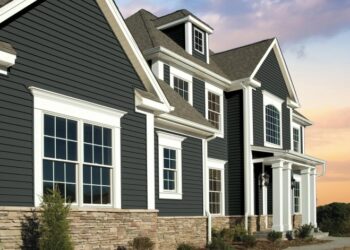
As we delve into the realm of modern house siding trends, a fascinating journey awaits. From the evolution of siding materials to the impact of color psychology, this guide promises to be an illuminating exploration of the latest trends shaping contemporary architecture.
Siding Materials
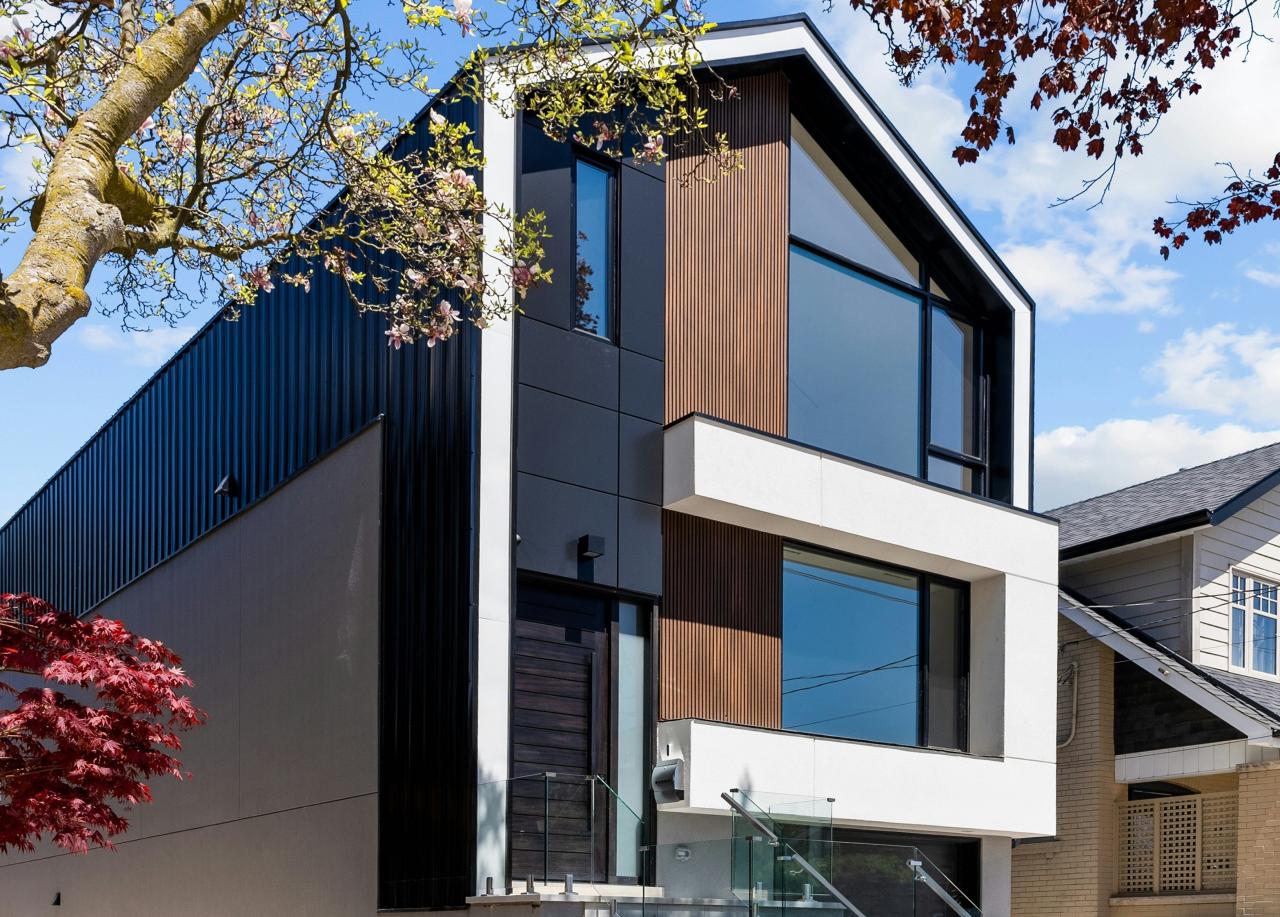
When it comes to modern house siding trends, the choice of materials plays a crucial role in both aesthetics and durability. Let's delve into the various siding materials commonly used in contemporary architecture.
Fiber Cement Siding
Fiber cement siding is known for its durability and low maintenance requirements. It is resistant to fire, insects, and rot, making it a popular choice for many homeowners. Additionally, fiber cement siding can mimic the look of wood or stucco, providing versatility in design options.
Vinyl Siding
Vinyl siding is a cost-effective option that comes in a wide range of colors and styles. While it may not be as durable as fiber cement, vinyl siding is easy to install and requires minimal upkeep. However, it may be prone to cracking or fading over time.
Wood Siding
Wood siding offers a natural and timeless look to a home. It can be painted or stained in various colors, allowing for customization. However, wood siding requires regular maintenance to prevent rot, pests, and weather damage.
Metal Siding
Metal siding, such as steel or aluminum, is highly durable and resistant to fire and pests. It can be painted in different colors and textures, offering a sleek and modern appearance to a house. Metal siding is also low maintenance and can last for decades.
Composite Siding
Composite siding combines various materials, such as wood fibers and recycled plastics, to create a durable and eco-friendly option. It offers the look of wood without the maintenance requirements. Composite siding is resistant to rot, insects, and weather damage, making it a sustainable choice for environmentally-conscious homeowners.
Color Trends
When it comes to modern house siding, color trends play a crucial role in enhancing the overall aesthetic appeal of a home. The right color choice can make a significant impact on the curb appeal and value of a property.
Evolution of Color Trends
Color trends in siding have evolved over the years, reflecting changes in architectural styles, design preferences, and technological advancements. In the past, neutral tones like beige, white, and gray were popular choices for siding, offering a timeless and classic look.
However, in recent years, homeowners have become more daring with their color choices, opting for bold and vibrant hues to make a statement.
Color Psychology in Siding Selection
Color psychology plays a vital role in selecting siding colors for homes. Different colors can evoke specific emotions and moods, influencing how people perceive a property. For example, warm tones like red and orange can create a welcoming and cozy atmosphere, while cool tones like blue and green can promote a sense of calm and relaxation.
Homeowners often consider the architectural style of their home, the surrounding landscape, and their personal preferences when choosing a siding color that complements their property.
Textures and Finishes
Textures and finishes play a crucial role in enhancing the visual appeal of modern house siding. They can completely transform the look and feel of a home, adding depth and character to the overall design.
Trending Textures and Finishes
There are several trending textures and finishes in modern house siding that are popular among homeowners and designers:
- Smooth Finish: A sleek and contemporary option that offers a clean and polished look to the exterior of a house.
- Wood-Grain Texture: Mimicking the natural look of wood, this texture adds warmth and organic charm to the facade.
- Matte Finish: A non-reflective surface that creates a modern and understated aesthetic, perfect for minimalist designs.
- Glossy Finish: A high-shine surface that reflects light and creates a luxurious and striking appearance, ideal for modern and upscale homes.
Each texture and finish has its unique impact on the overall aesthetics of a house. For example, a smooth finish can give a contemporary and sophisticated look, while a wood-grain texture can add a touch of warmth and natural beauty.
Matte finishes are perfect for creating a subtle and elegant facade, while glossy finishes can make a bold statement and elevate the curb appeal of a home.
Architectural Styles
In the realm of modern siding trends, the architectural style of a home plays a crucial role in determining the most suitable siding options. Different architectural styles call for specific siding materials, colors, and textures to enhance the overall aesthetic appeal of the property.
Contemporary Architecture
Contemporary architecture often features clean lines, large windows, and a mix of materials like wood, metal, and glass. For homes with this style, sleek and minimalist siding options such as metal panels, fiber cement, or stucco can complement the modern look.
These materials can help create a seamless and sophisticated appearance that aligns with the clean aesthetic of contemporary architecture.
Mid-Century Modern Architecture
Mid-century modern homes typically showcase a combination of natural elements and geometric shapes. Siding choices like wood clapboard, cedar shakes, or even stone veneer can enhance the retro vibe of mid-century modern architecture. These materials add warmth and texture to the exterior, highlighting the architectural features of the era.
Minimalist Architecture
Minimalist architecture focuses on simplicity, functionality, and clean design. Siding options such as smooth fiber cement panels, metal siding, or even large-format tiles can complement the minimalist aesthetic of these homes. The emphasis on clean lines and monochromatic color schemes can be accentuated by the use of these modern siding materials.
Traditional Architecture
Traditional homes often feature classic elements like gabled roofs, dormer windows, and intricate details. Siding choices like vinyl siding, brick veneer, or fiber cement clapboard can enhance the timeless charm of traditional architecture. These materials offer durability and versatility while maintaining the historical integrity of the home's design.
Final Conclusion
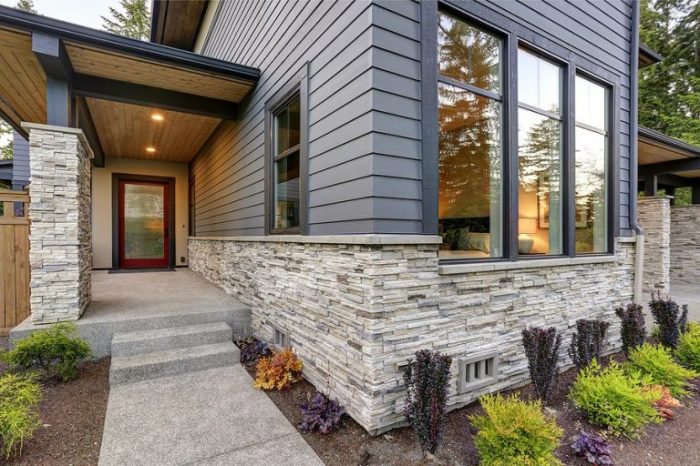
In conclusion, modern house siding trends offer a myriad of possibilities for homeowners looking to revamp their exteriors. Whether you're drawn to sleek textures or vibrant colors, the world of siding design is vast and ever-evolving, ready to transform any house into a modern masterpiece.
Key Questions Answered
How do I choose the right siding material for my home?
Consider factors like durability, aesthetics, and environmental impact to select the best siding material that suits your needs.
Are matte finishes trending in modern house siding?
Yes, matte finishes are gaining popularity for their contemporary and elegant appearance.
Can siding colors affect the energy efficiency of a home?
Yes, lighter colors can reflect sunlight and reduce heat absorption, contributing to improved energy efficiency.
How can siding complement different architectural styles?
By choosing the right texture and color, siding can enhance the architectural features of various styles, from traditional to minimalist designs.