Diving into the realm of siding and roofing replacement cost, this introduction aims to provide a comprehensive overview of the various factors that influence pricing. From materials to labor costs, this topic delves into the intricacies of budgeting for such projects.
Furthermore, we will explore the different types of materials commonly used, labor considerations, and essential budgeting tips to help you navigate through the cost estimation process with ease.
Factors Affecting Siding and Roofing Replacement Cost
When it comes to the cost of siding and roofing replacement, several factors come into play that can significantly impact the overall expenses. Understanding these factors is crucial for homeowners planning such projects.
Materials
The choice of materials used for siding and roofing replacement plays a significant role in determining the overall cost. High-quality materials like metal roofing or fiber cement siding tend to be more expensive upfront but can offer long-term durability and savings on maintenance and repairs.
Labor
The cost of labor is another crucial factor influencing the total expense of siding and roofing replacement. Skilled labor comes at a premium, and the complexity of the project, such as steep roof pitches or intricate siding designs, can further increase labor costs.
Project Scope
The size and complexity of the project directly impact the pricing of siding and roofing replacement. Larger homes or projects requiring intricate detailing and customization will naturally cost more due to the increased materials and labor involved.
Geographic Location
The geographic location of the property also plays a role in determining replacement costs. Factors such as local building codes, weather conditions, and availability of materials can vary by region, affecting the overall cost of siding and roofing replacement projects.
Types of Siding and Roofing Materials
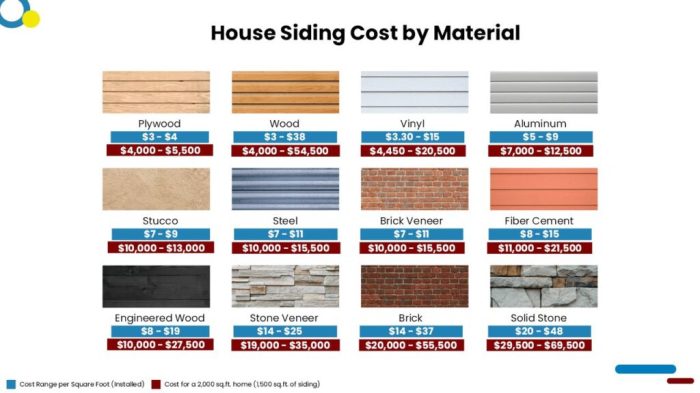
When it comes to siding and roofing materials, there are various options available, each with its own unique characteristics and price points. The choice of materials can significantly impact the overall cost of a replacement project. Let's explore some common types of siding and roofing materials to understand their differences in cost and features.
Siding Materials
- Vinyl Siding:Vinyl siding is a popular choice due to its affordability and low maintenance requirements. It is available in a wide range of colors and styles, making it a versatile option for many homeowners.
- Wood Siding:Wood siding offers a natural and classic look to a home. While it is aesthetically pleasing, wood siding requires more maintenance compared to other materials and can be more expensive.
- Fiber Cement Siding:Fiber cement siding is known for its durability and resistance to rot and insects. It is a cost-effective option that mimics the look of wood or masonry without the high maintenance requirements.
- Metal Siding:Metal siding, such as aluminum or steel, is a durable and long-lasting option. While it can be more expensive upfront, metal siding is known for its longevity and minimal maintenance needs.
Roofing Materials
- Asphalt Shingles:Asphalt shingles are the most commonly used roofing material due to their affordability and ease of installation. They come in various colors and styles to suit different architectural designs.
- Metal Roofing:Metal roofing is gaining popularity for its durability and energy efficiency. While it may have a higher upfront cost, metal roofs can last for decades and offer excellent protection against the elements.
- Clay Tiles:Clay tiles provide a unique and elegant look to a home. They are known for their longevity and resistance to fire, rot, and insects. However, clay tiles can be more expensive compared to other roofing materials.
The choice of siding and roofing materials can have a significant impact on the overall replacement cost of a project
Labor Costs and Installation Considerations
When it comes to siding and roofing replacement, the labor costs and installation considerations play a crucial role in determining the overall project cost. Hiring professional labor is essential to ensure the proper installation of siding and roofing materials, as well as to guarantee the longevity and durability of the finished project.
Factors Contributing to Labor Costs
- The size and complexity of the project: Larger or more intricate projects will require more time and labor, increasing the overall cost.
- Accessibility of the work area: Difficult-to-reach areas may necessitate specialized equipment or additional manpower, impacting labor costs.
- Removal of existing materials: The removal of old siding or roofing materials can be labor-intensive and time-consuming, adding to the overall labor costs.
Specialized Skills and Equipment
- Proper installation of siding and roofing materials requires specialized skills and knowledge to ensure a watertight and secure finish.
- Roofing projects may require specialized equipment such as safety harnesses, ladders, and nail guns to complete the installation safely and efficiently.
- Siding installations may involve cutting and fitting materials precisely, requiring experience and skill to achieve a seamless look.
Installation Complexities and Cost Impact
- Challenging roof designs or steep slopes can increase labor costs due to the additional time and effort required to work in such conditions.
- Intricate siding patterns or custom designs may require more labor to complete the installation accurately, impacting the overall project cost.
- Unforeseen issues or complications during installation, such as structural damage or hidden problems, can lead to additional labor costs to address these issues effectively.
Cost Estimation and Budgeting Tips
When planning for siding and roofing replacement, it is crucial to estimate costs accurately and budget effectively. Here are some tips to help you navigate this process:
Methods for Estimating Costs
Before starting your siding and roofing replacement project, it is essential to gather quotes from multiple contractors to get a better understanding of the potential costs involved. You can also use online cost calculators to estimate the materials and labor expenses based on the size of your property and the type of materials you plan to use.
Tips for Budgeting
When budgeting for siding and roofing replacement, make sure to set aside a contingency fund for unexpected expenses that may arise during the project. Consider prioritizing essential repairs over cosmetic upgrades to ensure the structural integrity of your home is maintained.
Importance of Obtaining Multiple Quotes
Obtaining multiple quotes allows you to compare prices, services, and warranties offered by different contractors. This can help you make an informed decision and ensure you are getting the best value for your money.
Allocating Budget for Different Project Aspects
When allocating your budget for siding and roofing replacement, consider dividing the funds between materials, labor, permits, disposal fees, and any additional upgrades you may want to include. Prioritize spending on high-quality materials and skilled labor to ensure the longevity and durability of your new siding and roof.
Closing Notes
In conclusion, understanding the dynamics of siding and roofing replacement cost is crucial for anyone embarking on such projects. By considering the factors discussed and implementing the budgeting tips provided, you can ensure a smooth and cost-effective renovation process.
FAQ Resource
What factors influence siding and roofing replacement cost?
The primary factors include materials used, labor costs, project scope, and geographic location.
What are the common types of siding materials?
Common siding materials include vinyl, wood, fiber cement, and metal.
Why is professional labor important for these projects?
Professional labor ensures proper installation and quality workmanship, impacting the overall project outcome.
How can one accurately estimate siding and roofing replacement costs?
Methods include obtaining multiple quotes, considering all project aspects, and budgeting effectively.