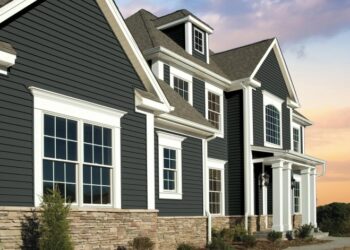
Embark on a journey through the world of global siding and roofing, where we delve into the significance of these crucial elements in construction and their impact on the building industry. From key materials to sustainable practices, this guide covers it all.
Introduction to Global Siding and Roofing
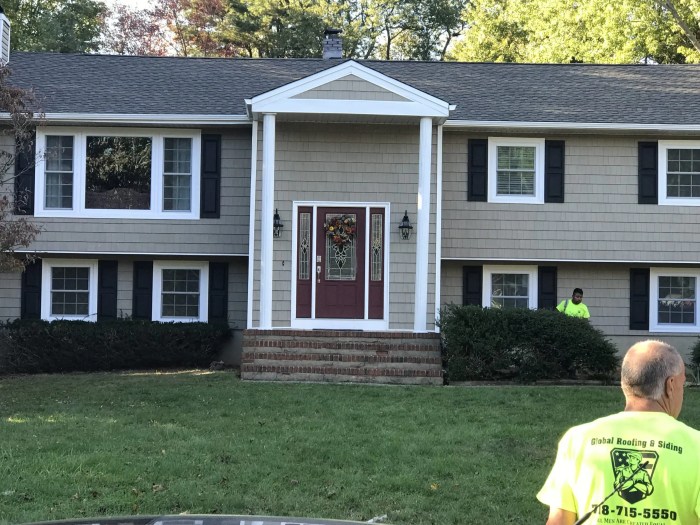
Siding and roofing play a crucial role in construction, providing protection and insulation to buildings against weather elements and enhancing their overall aesthetics. Global Siding and Roofing, as a key player in the building industry, specializes in providing high-quality materials and services to ensure the durability and functionality of structures worldwide.
Key Materials Used in Global Siding and Roofing
Global Siding and Roofing utilizes a variety of materials to meet the diverse needs of different climates and architectural styles. Some of the key materials commonly used include:
- Vinyl: Known for its affordability and low maintenance, vinyl siding is a popular choice for many homeowners.
- Wood: Traditional and versatile, wood siding adds a natural and timeless look to buildings, though it requires regular maintenance to prevent rot and decay.
- Metal: Durable and fire-resistant, metal roofing is a practical option for areas prone to extreme weather conditions.
- Asphalt Shingles: Widely used for roofing, asphalt shingles offer a cost-effective solution with various color and style options available.
- Fiber Cement: Combining the durability of cement with the versatility of wood, fiber cement siding is resistant to rot, pests, and fire.
Types of Siding Materials
When it comes to siding materials, there are various options available globally, each with its own set of advantages and disadvantages.
Vinyl Siding
Vinyl siding is a popular choice due to its affordability and low maintenance requirements. It is durable, resistant to rot and insects, and comes in a variety of colors and styles.
Fiber Cement Siding
Fiber cement siding is known for its durability and resistance to fire, rot, and insects. It can mimic the look of wood or stucco and requires minimal maintenance.
Wood Siding
Wood siding provides a natural and traditional look to a home. While it is aesthetically pleasing, it requires regular maintenance to prevent rot, pests, and weather damage.
Metal Siding
Metal siding, such as aluminum or steel, is highly durable and resistant to fire, rot, and insects. It is also eco-friendly and recyclable, making it a sustainable choice.
Composite Siding
Composite siding is a blend of materials, such as wood fibers and cement. It offers the look of wood without the maintenance requirements, as it is resistant to rot, pests, and weather damage
Roofing Systems Around the World
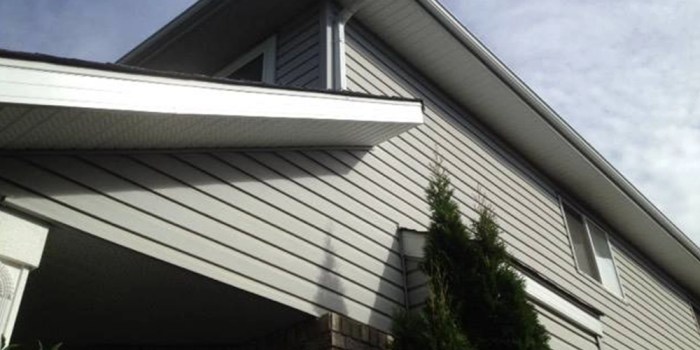
When it comes to roofing systems, different regions around the world have their own unique styles and materials that are influenced by various factors such as climate, culture, and architectural traditions.
Popular Roofing Systems Worldwide
- Thatched Roofing: Common in regions with abundant natural materials such as straw, reeds, or palm leaves. Provides natural insulation and a rustic look.
- Tiled Roofing: Popular in Mediterranean countries like Spain and Italy, where terracotta tiles are used for their durability and heat resistance.
- Metal Roofing: Widely used in the United States and Australia for its longevity and ability to withstand extreme weather conditions.
Impact of Climate on Roofing Systems
The choice of roofing system is heavily influenced by the climate of a particular region. For example, areas with heavy rainfall may opt for steep pitched roofs to allow water to quickly run off, while regions with hot temperatures may choose light-colored roofs to reflect sunlight and reduce heat absorption.
Differences Between Flat and Pitched Roofing
Flat roofs are commonly found in arid regions where rainfall is minimal, while pitched roofs are more prevalent in areas with heavy precipitation to prevent water pooling and leakage. Pitched roofs also offer more attic space and can accommodate different materials such as shingles or tiles.
Trends in Global Siding and Roofing
As the construction industry continues to evolve, new trends emerge in global siding and roofing design. These trends encompass eco-friendly practices, technological advancements, and innovative materials.
Eco-Friendly Practices in Siding and Roofing Construction
In response to growing environmental concerns, there is a significant shift towards eco-friendly practices in siding and roofing construction. This includes the use of sustainable materials, energy-efficient designs, and recycling initiatives to reduce the carbon footprint of buildings.
Technological Advancements in the Siding and Roofing Industry
The siding and roofing industry has witnessed remarkable technological advancements in recent years. From the integration of smart technologies for energy management to the development of lightweight and durable materials, these innovations are revolutionizing the way buildings are constructed and maintained.
Final Review
In conclusion, global siding and roofing play a vital role in shaping the construction landscape worldwide. By staying informed about trends, materials, and advancements in the industry, we can ensure a sustainable and innovative future for our buildings.
Questions Often Asked
What are some common types of sustainable siding materials?
Common sustainable siding materials include recycled wood, fiber cement, and reclaimed metal.
How does climate influence the choice of roofing systems?
Climate influences the choice of roofing systems by determining factors such as insulation needs, material durability, and resistance to extreme weather conditions.
What are some current trends in global siding and roofing design?
Current trends include the use of eco-friendly materials, innovative designs for energy efficiency, and the integration of smart technology in roofing systems.