As the search for the best siding for homes intensifies, this introductory passage invites readers into a world of diverse options and considerations, ensuring an informative and engaging read.
The following paragraphs delve into the various aspects of siding materials, factors to consider, popular options, and installation tips.
Types of Siding Materials
When it comes to choosing siding materials for homes, there are various options available, each with its own set of pros and cons. Understanding the characteristics of different siding materials can help homeowners make an informed decision based on their preferences and budget.
Vinyl Siding
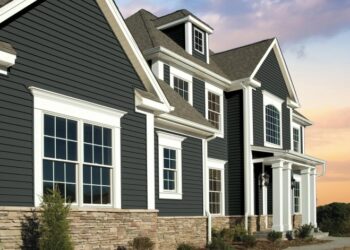
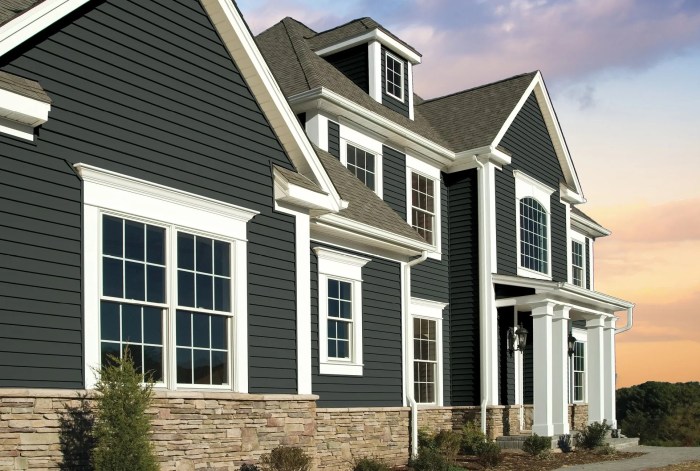
Vinyl siding is one of the most popular choices for homeowners due to its affordability and low maintenance requirements. It is available in a wide range of colors and styles, making it versatile for different home designs. However, vinyl siding may crack or fade over time, and it is not as durable as some other materials.
Fiber Cement Siding
Fiber cement siding is known for its durability and resistance to fire, insects, and rot. It can mimic the look of wood or masonry without the same level of maintenance. While fiber cement siding is more expensive upfront, it can save money in the long run due to its longevity and minimal upkeep requirements.
Wood Siding
Wood siding offers a natural and timeless look that can enhance the curb appeal of a home. It is eco-friendly and can be painted or stained in various colors. However, wood siding requires regular maintenance, including painting or staining, to prevent rot and insect damage.
It is also more susceptible to fire and moisture compared to other materials.
Aluminum Siding
Aluminum siding is lightweight, durable, and resistant to rust and insects. It is a cost-effective option that can last for years with minimal maintenance. However, aluminum siding can dent easily and may not provide as much insulation as other materials, leading to higher energy bills.
Brick Siding
Brick siding is a classic choice that offers durability, energy efficiency, and a timeless appearance. It is resistant to fire, insects, and harsh weather conditions, making it a long-lasting option for homeowners. However, brick siding is one of the most expensive materials to install and may require professional expertise for proper installation.Overall, the choice of siding material for a home depends on factors such as budget, maintenance preferences, and desired aesthetics.
By weighing the pros and cons of each material, homeowners can select the option that best suits their needs and enhances the overall look and value of their property.
Factors to Consider When Choosing Siding
When selecting siding for your home, there are several important factors to consider to ensure you make the best choice that suits your needs and preferences.
Importance of Climate
The climate of your region plays a crucial role in determining the most suitable siding material for your home. For instance, areas with high humidity levels may require siding that is resistant to moisture damage, such as vinyl or fiber cement.
On the other hand, homes in areas prone to extreme weather conditions like hurricanes or heavy snowfall may benefit from more durable options like metal or engineered wood siding.
Architectural Style of Home
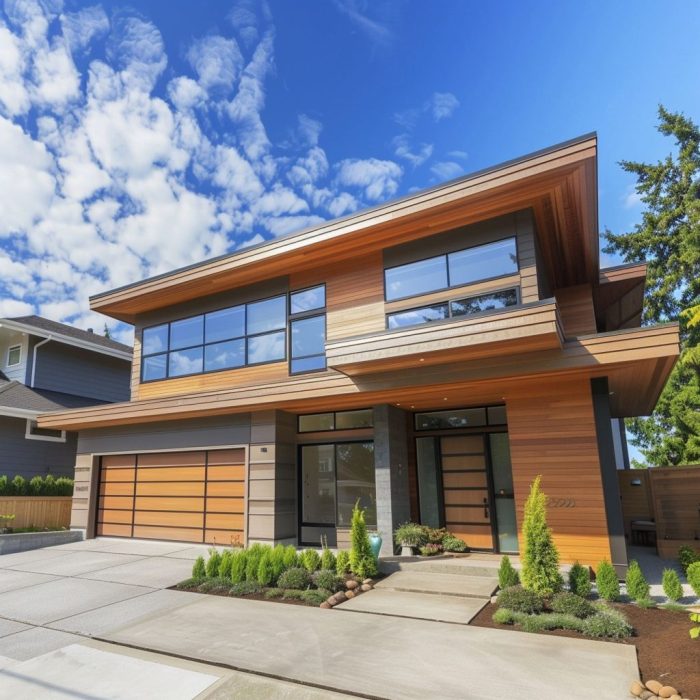
The architectural style of your home can greatly influence the choice of siding. Traditional homes may look best with classic options like wood or brick siding, while modern or contemporary homes often pair well with sleek materials like metal or fiber cement.
It's essential to consider how the siding will complement the overall aesthetic of your home to enhance its curb appeal.
Cost Implications
When deciding on siding, it's important to consider both the upfront costs of materials and installation, as well as the long-term maintenance expenses. While some siding options may have a higher initial cost, they could prove to be more cost-effective in the long run due to their durability and low maintenance requirements.
Factor in the total cost of ownership to make an informed decision that fits your budget.
Selecting Siding Colors
Choosing the right color for your siding is crucial in enhancing the overall look of your home. Consider the existing color palette of your home, including the roof, trim, and landscaping, to select a siding color that complements these elements.
Neutral tones like beige, gray, or cream are versatile options that can work well with various architectural styles and color schemes.
Popular Siding Options in the Market
Vinyl, wood, fiber cement, and metal are some of the most popular siding materials available in the market today. Each material comes with its own set of advantages and considerations that homeowners should take into account when choosing the best option for their homes.
Vinyl Siding
- Known for its affordability and low maintenance requirements
- Comes in a variety of colors and styles
- Considered a sustainable option due to its recyclability
Wood Siding
- Offers a classic and timeless look
- Requires more maintenance compared to other materials
- Can be sustainable if sourced from responsibly managed forests
Fiber Cement Siding
- Durable and resistant to rot, fire, and pests
- Low maintenance and long-lasting
- Considered environmentally friendly due to its longevity
Metal Siding
- Modern and sleek appearance
- Durable and resistant to extreme weather conditions
- Can be recycled at the end of its lifespan
Installation and Maintenance Tips
Installing siding for homes is a crucial task that requires attention to detail and proper execution to ensure the longevity and effectiveness of the siding. Proper maintenance is also essential to keep the siding in good condition and protect the home from external elements.
Key Steps in Installing Siding
- Prepare the surface by cleaning and repairing any damage.
- Measure and cut the siding materials accurately.
- Install the moisture barrier and insulation to protect the home from water damage and improve energy efficiency.
- Secure the siding panels following the manufacturer's instructions.
- Finish with trims and caulking to ensure a seamless look and prevent water infiltration.
Importance of Proper Insulation and Moisture Barriers
Proper insulation and moisture barriers are essential during siding installation to prevent water infiltration, mold growth, and energy loss. Insulation helps regulate indoor temperature, while moisture barriers protect the home's structure from water damage.
Maintenance Tips for Different Types of Siding
- Vinyl Siding:Clean regularly with a mild detergent and water, inspect for cracks or damage, and replace any broken panels.
- Wood Siding:Stain or paint every few years, seal any cracks or holes, and protect from moisture to prevent rot.
- Fiber Cement Siding:Clean with a soft brush and soapy water, inspect for chips or cracks, and repaint as needed.
- Metal Siding:Inspect for rust, clean with a mild detergent and water, and apply a protective coating to prevent corrosion.
Common Issues and How to Address Them
- Moisture Damage:Inspect for water stains, mold, or mildew and repair any leaks or damaged areas promptly.
- Cracking or Warping:Replace damaged panels, seal cracks, and ensure proper installation to prevent future issues.
- Fading Color:Consider repainting or staining the siding to refresh its appearance and protect it from UV damage.
- Pest Infestation:Seal any entry points, trim vegetation near the siding, and consider pest control measures to prevent infestations.
Wrap-Up
In conclusion, the choice of siding for homes is a crucial decision that impacts aesthetics, durability, and maintenance. This guide aims to empower homeowners with the knowledge needed to make an informed choice for their property.
Question Bank
Which siding material is the most durable?
Vinyl siding is known for its durability and low maintenance requirements, making it a popular choice among homeowners.
How does climate influence the choice of siding?
Climate plays a significant role in selecting siding materials, as certain materials perform better in specific weather conditions.
Are there eco-friendly siding options available?
Materials like fiber cement and engineered wood offer sustainable alternatives to traditional siding options.
What are common maintenance issues with siding?
Issues like mold growth, warping, or color fading are common with siding and require regular maintenance to address.