Siding contractors near me open up a world of possibilities for homeowners looking to enhance their properties. From researching the best professionals to understanding the types of materials available, this comprehensive guide dives deep into the realm of siding contractors, offering invaluable insights every step of the way.
As we delve into the intricacies of researching, hiring, and installing siding, readers will uncover a wealth of knowledge that empowers them to make informed decisions about their home improvement projects.
Researching Siding Contractors
When looking for siding contractors in your area, it's essential to conduct thorough research to ensure you hire a reputable and experienced professional for the job.
Step-by-Step Guide
- Start by asking for recommendations from friends, family, or neighbors who have had siding work done recently.
- Use online resources such as Google or Yelp to search for siding contractors in your area.
- Check the websites of local business bureaus or associations for a list of accredited siding contractors.
- Request quotes from multiple contractors to compare pricing and services offered.
Importance of Reading Reviews and Checking References
Reading reviews and checking references can give you valuable insights into the quality of work and professionalism of a siding contractor. Look for contractors with positive reviews and satisfied customers to ensure a smooth and successful siding project.
Tips for Verifying Credentials and Experience
- Ask for proof of insurance and licensing to ensure the contractor is qualified to work on your property.
- Inquire about the contractor's experience in the siding industry and the types of projects they have completed.
- Check for any complaints or disciplinary actions against the contractor with local licensing boards or consumer protection agencies.
Reputable Websites or Platforms
- HomeAdvisor: A platform that connects homeowners with pre-screened siding contractors.
- Angie's List: Another website where you can find reviews and ratings of siding contractors in your area.
- The Better Business Bureau: Check for accredited siding contractors and any complaints filed against them.
Types of Siding Materials
When it comes to choosing siding materials for your home, there are several options to consider. Each type of siding material has its own unique characteristics, advantages, and drawbacks. It's important to select the right material based on factors such as location, climate, and budget.
Vinyl Siding
Vinyl siding is one of the most popular choices for homeowners due to its affordability and low maintenance requirements. It is available in a wide range of colors and styles, making it a versatile option for many homes. However, vinyl siding may not be as durable as other materials and can crack or fade over time.
Wood Siding
Wood siding offers a natural and timeless look that many homeowners find appealing. It can be painted or stained to match your desired aesthetic and is environmentally friendly. However, wood siding requires regular maintenance, such as painting or staining, to prevent rot and decay.
Fiber Cement Siding
Fiber cement siding is a durable and low-maintenance option that is resistant to rot, fire, and pests. It is available in a variety of textures and finishes, including wood grain, and can mimic the look of traditional wood siding. While fiber cement siding is more expensive than vinyl or wood, it offers excellent longevity and durability.
Metal Siding
Metal siding, such as steel or aluminum, is a strong and durable option that can withstand harsh weather conditions. It is resistant to fire, rot, and pests, making it a low-maintenance choice for homeowners. However, metal siding can dent or scratch easily, and it may not be as visually appealing as other materials.Choosing the best siding material for your home will depend on your specific needs and preferences.
Consider factors such as the climate in your area, the level of maintenance you're willing to commit to, and your budget when selecting the right siding material for your home.
Hiring a Siding Contractor
When it comes to hiring a siding contractor for your home improvement project, there are several important factors to consider. From experience to pricing, finding the right contractor can make all the difference in the outcome of your project. Here are some key points to keep in mind:
Factors to Consider When Hiring a Siding Contractor
- Experience: Look for a contractor with a proven track record of successful siding installations.
- Reputation: Check online reviews and ask for referrals to ensure the contractor has a good reputation.
- Licensing and Insurance: Verify that the contractor is licensed and insured to protect yourself in case of any accidents or damages.
- Materials and Quality: Ensure the contractor uses high-quality materials and pays attention to detail in their work.
Questions to Ask Potential Siding Contractors
- Can you provide references from past clients?
- What is your experience with the specific type of siding I want?
- Do you have insurance coverage for your workers?
- How long will the project take to complete?
Importance of Getting Multiple Quotes
Getting multiple quotes from different siding contractors is crucial to compare pricing, services, and timelines. This will help you make an informed decision and ensure you are getting the best value for your money.
Tips on Negotiating Pricing and Timelines
- Be clear about your budget and timeline expectations from the beginning.
- Ask for a detailed breakdown of costs to understand where your money is going.
- Negotiate for a payment schedule that works for both parties.
- Discuss any potential delays or issues upfront to avoid surprises later on.
Siding Installation Process
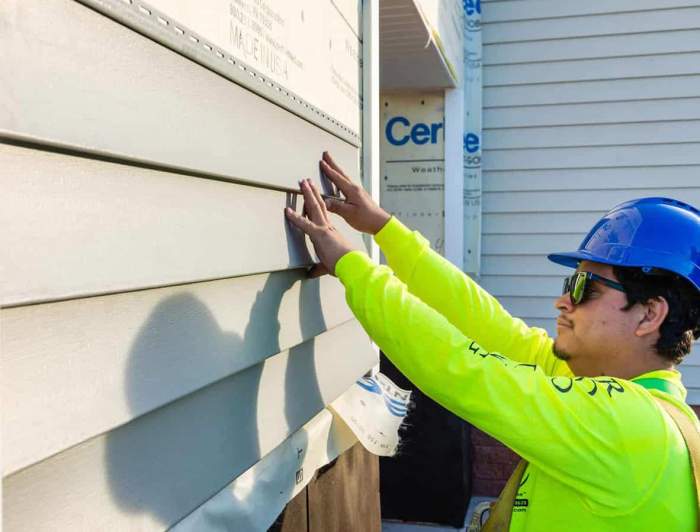
When it comes to siding installation, there are several key steps involved in the process. A siding contractor plays a crucial role in ensuring that each stage is completed efficiently and effectively. Let's dive into the typical steps of siding installation, the role of a siding contractor in each stage, common challenges that may arise, and tips for preparing your home for a smooth installation process.
Typical Steps of Siding Installation
- 1. Inspection and Preparation: The siding contractor will inspect your home to assess the existing siding, identify any repairs needed, and prepare the area for installation.
- 2. Removal of Old Siding: The old siding will be carefully removed to make way for the new siding installation.
- 3. Installation of Weatherproofing Barrier: A weatherproofing barrier will be installed to protect your home from moisture and other elements.
- 4. Siding Installation: The new siding will be installed according to the manufacturer's guidelines, ensuring a proper fit and finish.
- 5. Trim and Finish Work: Trim pieces and finishing touches will be added to complete the look of your home's exterior.
- 6. Clean-up and Inspection: The area will be cleaned up, and a final inspection will be conducted to ensure that the installation meets quality standards.
Role of a Siding Contractor
- The siding contractor oversees the entire installation process, from start to finish, ensuring that each step is completed correctly and on schedule.
- They work closely with the homeowner to address any concerns or questions throughout the installation process.
- They provide expertise in choosing the right siding materials and techniques for your specific home and climate.
Common Challenges and Tips
- Challenge: Unforeseen structural issues may arise during the removal of old siding. Solution: Work with a qualified contractor to address any structural repairs before proceeding with the installation.
- Challenge: Inclement weather can delay the installation process. Solution: Plan the installation during a time of year with favorable weather conditions to minimize delays.
- Tip: Clear any obstacles around your home, such as furniture or landscaping, to provide easy access for the siding installation crew.
- Tip: Communicate openly with your siding contractor about your preferences and any specific requirements you may have for the installation.
Conclusive Thoughts

In conclusion, siding contractors near me play a crucial role in transforming houses into dream homes. By following the guidelines Artikeld in this guide, individuals can navigate the process with confidence, knowing they have the tools to make the right choices for their homes.
FAQs
How can I research siding contractors effectively?
To research siding contractors, start by checking online reviews, asking for recommendations from friends or family, and verifying credentials and experience before making a decision.
What are the main types of siding materials used by contractors?
Common siding materials include vinyl, wood, fiber cement, and metal. Each material has its pros and cons, so it's essential to choose based on factors like location, climate, and budget.
Why is it important to obtain multiple quotes from siding contractors?
Getting multiple quotes helps you compare pricing, services offered, and timelines, ensuring you make an informed choice when selecting a siding contractor.
What are some common challenges during siding installation?
Challenges may include weather delays, structural issues, or material shortages. Working closely with your contractor and preparing your home adequately can help address these challenges.